Drone on Holiday: 6 Steps for Safe and Impressive Flights
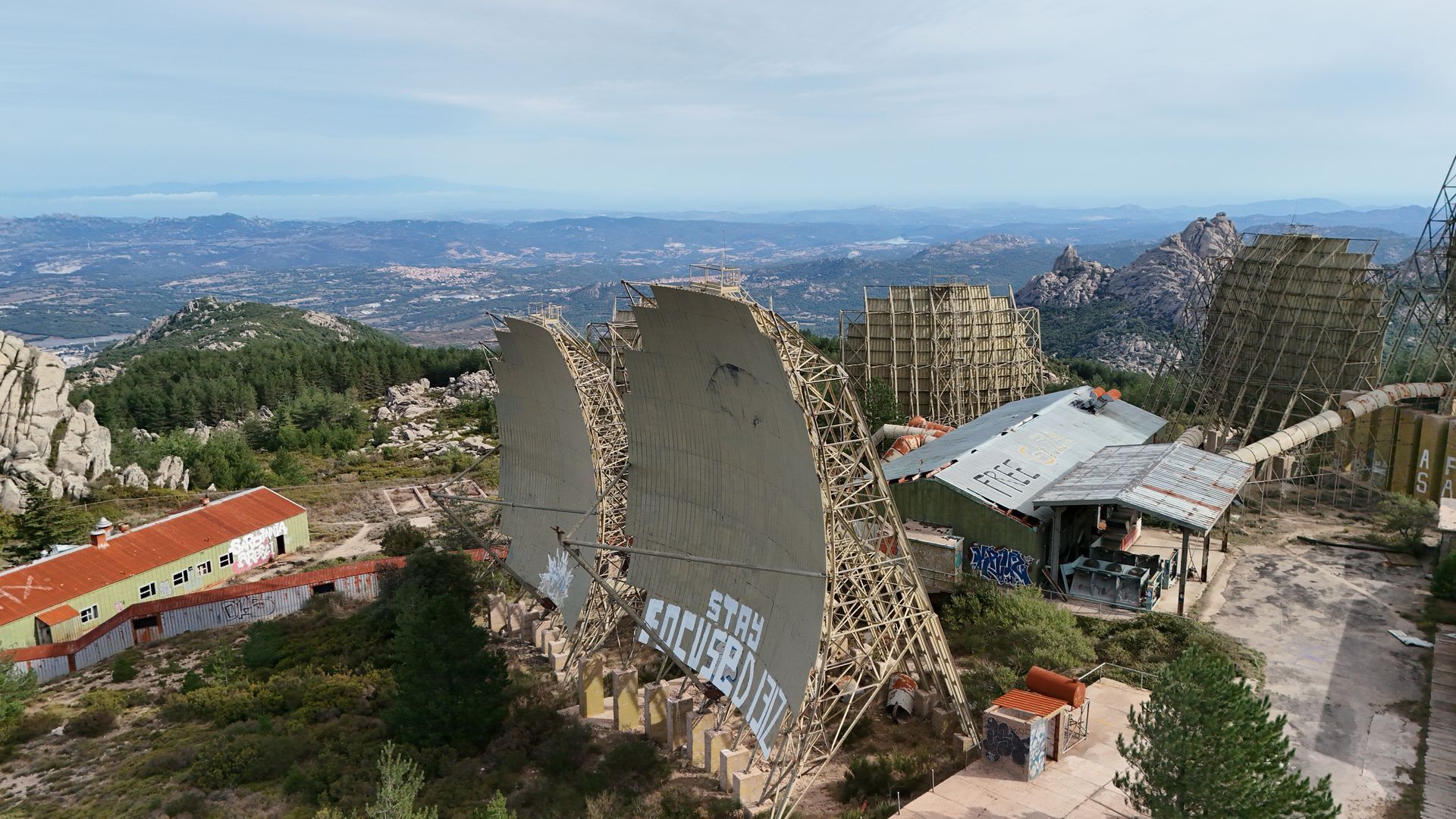
Beach, mountains, old town – the view from above is especially tempting on holiday. But this is exactly where most mishaps happen: unfamiliar rules, unfamiliar terrain, time pressure and flight stress instead of relaxation. A flight abroad can quickly become expensive – or, in the worst case, endanger someone.
In this post, we show you how to plan your holiday flights in six steps: from the rules to luggage to composition. As a team with engineering know-how and plenty of photo and video experience from our own travels, we know what really matters in practice – not flying at any cost, but responsibly and with results.
1️⃣ Check the rules of your destination in advance
Why this is a problem: If you take off without checking, you risk trouble with the authorities and local residents. Within the EU, uniform basic rules apply, namely the Implementing Regulation (EU) 2019/947. However, individual countries set additional details and zones. Outside the EU, completely different requirements sometimes apply.
How to do it better:
- Before your trip, get information from the responsible authority in your destination country. EASA is a good place to start.
- Find out which registration and which proofs are required for your drone and your type of flight. The authority in Germany is the Luftfahrt-Bundesamt.
- Check whether your liability insurance covers drone flights in your destination country.
- Take proof of registration with you, both digital and printed.
Pro tip: Save a folder with all your documents offline on your phone – otherwise nothing will help you when you have no signal.
2️⃣ Transport your luggage and batteries correctly
Why this is a problem: Batteries are the most sensitive component when travelling. Airline requirements for lithium batteries differ and change.
How to do it better:
- Before departure, ask your airline about the current requirements.
- Transport batteries individually protected, for example in a battery bag.
- Do not charge them unattended, and ideally not in the car or in direct sunlight.
- Pack spare propellers, memory cards and a cleaning cloth.
Practical tip: Less accessories, but well organised. If you have everything with you, you don’t have to improvise.
3️⃣ Planning your flight on site: zones, weather, return route
Why this is a problem: On holiday, we often fly spontaneously. But a beautiful spot is not automatically a permitted spot. Airports, crowds and protected areas are typical problem areas. For Germany, DFS provides information on airspace; abroad, the respective national sources apply.
How to do it better:
- Check no-fly zones and airspace using a current, official map of the country in question.
- Check wind, rain and visibility. The sea and coast often bring gusts, salt and moisture.
- Only take off with a full battery and plan your return route in advance.
- Keep the drone in sight and keep a reserve in the battery level.
Pro tip: If you can hear wind that already bothers you while standing, the drone is better off staying on the ground.
4️⃣ Respect for people, animals and nature
Why this is a problem: Drones are loud and conspicuous. For bathers, hikers or wildlife, that can quickly become a burden. And anyone who films people intrudes on their privacy.
How to do it better:
- Keep your distance from people, animals and nesting sites.
- If in doubt, ask on site – at hotels, local councils or landowners.
- Do not publish footage in which people are recognisable without their consent.
- If someone feels disturbed, you land. Full stop.
5️⃣ How to make your footage really good
A good flight is more than just “getting up there”. With a little preparation, your images will look much more professional.
- Light: In the morning and evening it is soft and warm. At midday everything looks harsh.
- Composition: Lines such as coastal roads, paths or walls guide the eye.
- Movement: Slow, smooth flight movements look calmer than hectic steering.
- Settings: Set the frame rate and exposure before take-off and don’t change them in flight.
- Filter: An ND filter helps with video so that movements look natural.
Practical tip: Think of three shots and a sequence for each spot. That way you need fewer batteries and aren’t hovering aimlessly in the air.
6️⃣ The mini checklist before every take-off
- Rules and zones for this location checked?
- Registration, insurance and proofs to hand?
- Weather, wind and visibility okay?
- Batteries full, propellers intact, memory card free?
- Return route and return altitude set?
- Take-off spot free of people and obstacles?
- Does the flight feel okay for everyone involved?
If you answer any question with “no”, you wait. A missed shot can be replaced, damage cannot.
🎯 Conclusion
Good holiday flights come from preparation: clarify the rules, transport your equipment safely, take the weather and surroundings seriously and respect others. Then your mind is free for what it’s all about – pictures that will still delight you years later.
That is exactly what drohne4all.de stands for: professional aerial photography, engineering expertise, 3D printing solutions and responsible drone use. If you need more than a holiday flight for a project, get in touch.